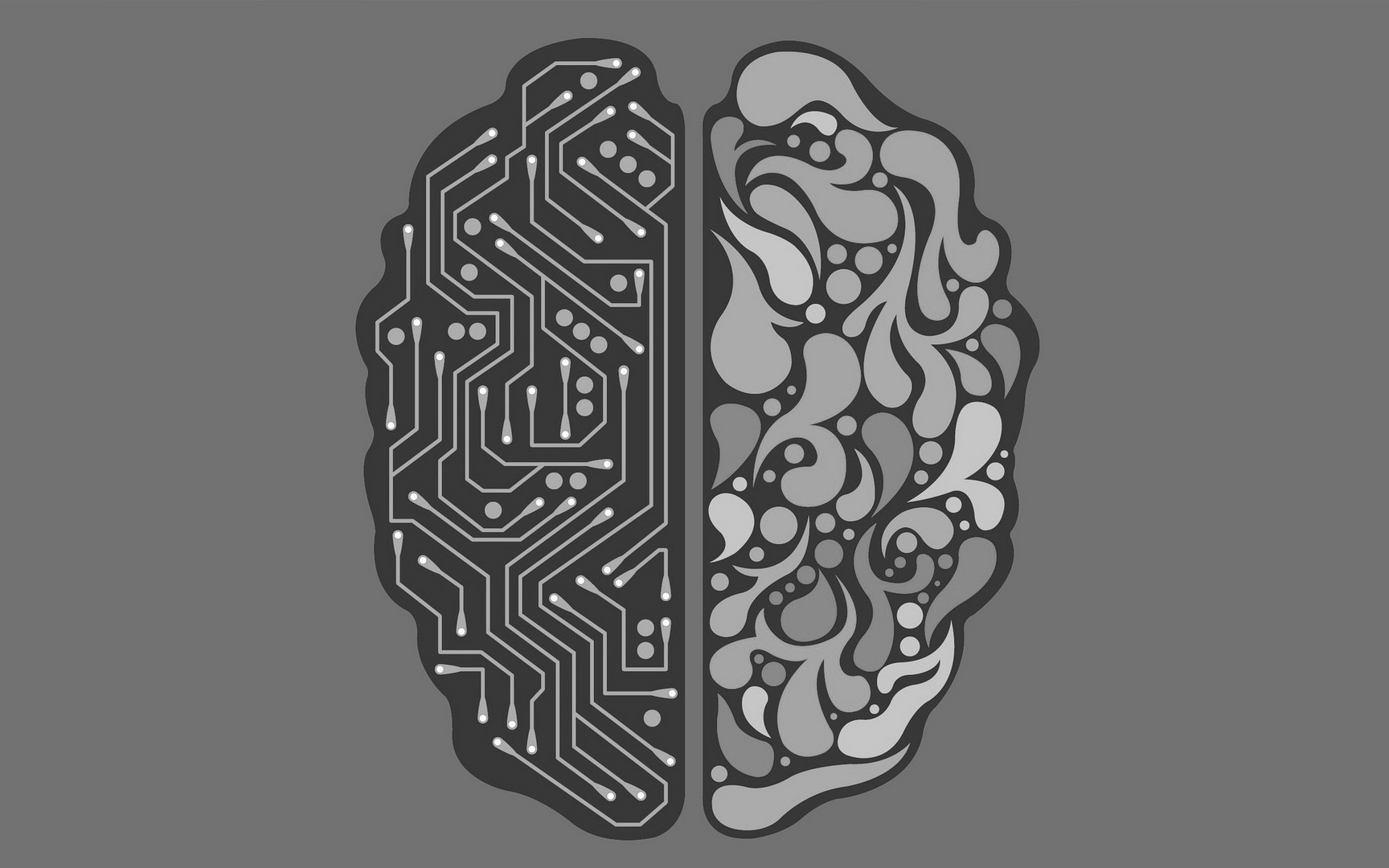
Artificial Intelligence (AI) has been used by law enforcement for years, particularly to detect and predict crime (facial recognition, license plate readers). Within the last year, employers started using the first major applications of AI as a workplace management tool. Some of these ‘tools’ include body-worn camera video processing, automated report writing, call triaging, and answering non-emergency calls. Some, if not all, of these ‘tools’ carry many implications for a bargaining unit to consider.
A company called Benchmark Analytics LLC developed First Sign, which applies machine learning algorithms that compare the present action of an officer by observing his/her past activities for any display of excessive force or problematic behavior. The use of AI is expected to ease the implementation of early intervention systems in police departments, wherein officers who are likely to engage in misconduct are spotted promptly. Benchmark claims to predict 85% of all ‘major adverse investigations’ before they even happen. The advantages of AI in early intervention systems allow for faster metric analysis. First Sign also analyzes arrest records, stop and service-call information, use-of- force data, internal affairs reports, dispatch information, and other data to monitor officer’s conduct. With this wealth of information, Benchmark claims to provide a holistic view of officer behavior and potential warning signs of misconduct. The system claims to allow supervisors to determine if officers are out of compliance with policies. Each officer is given a risk score based on the system metrics and supervisors then use the risk scores to determine whether the officer needs counseling, training, or to be terminated.
Consider the fact that AI algorithms may produce false positives, mistakenly flag lawful actions as misconduct, or false negatives, failing to identify actual misconduct. AI also lacks the ability to fully understand the context of police interactions, potentially misjudging situations and actions that require nuanced assessment. Limited or biased training data can hinder AI’s ability to recognize various scenarios accurately, making it less effective in detecting misconduct. In addition, the use of AI for misconduct detection may raise legal and ethical concerns related to due process, accountability, and the right to a fair trial.
Truleo, a Chicago company, happens to be one of the most aggressive marketers of AI/BWC software. One of the company’s co-founders, Anthony Tassone, called Truleo a “virtual sergeant†who is reviewing an officer’s every action. “We’re a solution to a huge problem in policing in that they are spread thin and there is not a deep supervisory layer,†he said. “Good police like what we’re doing,†Tassone said. Over time, the department can use the program’s data to see which officers display the highest level of professionalism and which consistently act riskily, he said. He compared it to a sports team reviewing game films. Except the review of the “game films†is done by AI. Tassone indicates, “Using A.I. (Artificial Intelligence), we analyze a massive amount of data to measure and ultimately predict the future direction and duration of the individual’s stress level.â€
The use of AI for BWC data analysis raises significant privacy concerns, as it involves the collection and analysis of sensitive personal information without consent. Managing large volumes of sensitive BWC data for AI analysis requires robust data security measures to protect against breaches or misuse. AI algorithms can inherit biases present in historical data, potentially leading to discriminatory outcomes, especially when evaluating encounters with individuals from marginalized communities.
An automated attendant will answer the non-emergency calls and based on the answers, using artificial intelligence will determine if that caller needs to speak to an actual call taker.
What could possibly go wrong??
In April 2024, another vendor, Axon announced its Draft One AI software that drafts police report narratives in seconds based on auto-transcribed body worn camera audio. Axon claims that Draft One AI requires reports to be reviewed and approved by human officers.
The utilization of this software has many implications. Overreliance on AI may lead to reduced human oversight, reducing the ability to evaluate complex cases and exercise discretion. For example, imagine being on the witness stand during cross-examination and explaining that your AI generated police report is completely accurate to a defense attorney.
Artificial Intelligence And The Collective Bargaining Implications
Is an employer’s use of AI to evaluate an employee’s performance a negotiable working condition? Probably yes, though the law has not caught up to this issue quite yet. Employers are permitted to implement BWC’s BUT must bargain over the impact of that decision on member terms and conditions of employment, i.e., on unit member discipline, safety, and privacy matters. What position should the union take?
1. Monitor the employer’s purchases, particularly of software.
2. When AI is introduced that has any impact on working conditions, demand to negotiate.
3. If an agreement is not reached, carry the negotiations process through to binding arbitration (if available).
4. Secure CBA language addressing AI’s impact.
MOU Language
Below is an example of a Memorandum of Understanding regarding the use of AI entered into recently between the City of Phoenix and the Phoenix Law Enforcement Association (PLEA).
1. Analyses completed by artificial intelligence systems or programs "AI" will not be used as the sole basis for decisions related to Unit employee discipline or officer assignments.
2. The City must notify officers, in writing, of the artificial intelligence systems or programs "AI" utilized by the City to review or analyze officer data, the specific data collected and analyzed by these systems, and how any analyses may be used.
3. If an "AI" system that is implemented by the department produces or presents faulty data or misinformation related to officer reassignment or discipline; the department in consultation with the association may pause the utilization of the "AI" system. At that time the City and the association will reconvene to assess the issue and determine the appropriate action moving forward.
4. Artificial intelligence is the simulation of human intelligence processes by machines, especially computer systems, to perform tasks requiring cognition, including, but not limited to, learning, reasoning, self-correction, and creativity. Intent
5. Artificial intelligence is a new technology that has been shown to have problems or errors in application. The parties recognize that in cases where a system repeats the same error a global pause and solution may be required.